Showing 1–12 of 19 results


Showing 1–12 of 19 results
My print studio has been tucked away under Clifton for over 300 years and has been in my family for more than 4 generations. It’s all original, and is just an absolute beauty of a little local historical gem.
But it’s in real trouble.
This year, my parents (and current owners) have made the heartbreaking decision to let it go now they have reached a point in their lives where they still cannot access their state pensions , but simply can not cover the costs of their physical and medical needs. However – before they put it on the market, they have given me the chance to buy it first for a final chance to not only save my workspace, but also prevent this incredible building from being redeveloped into modern student housing.

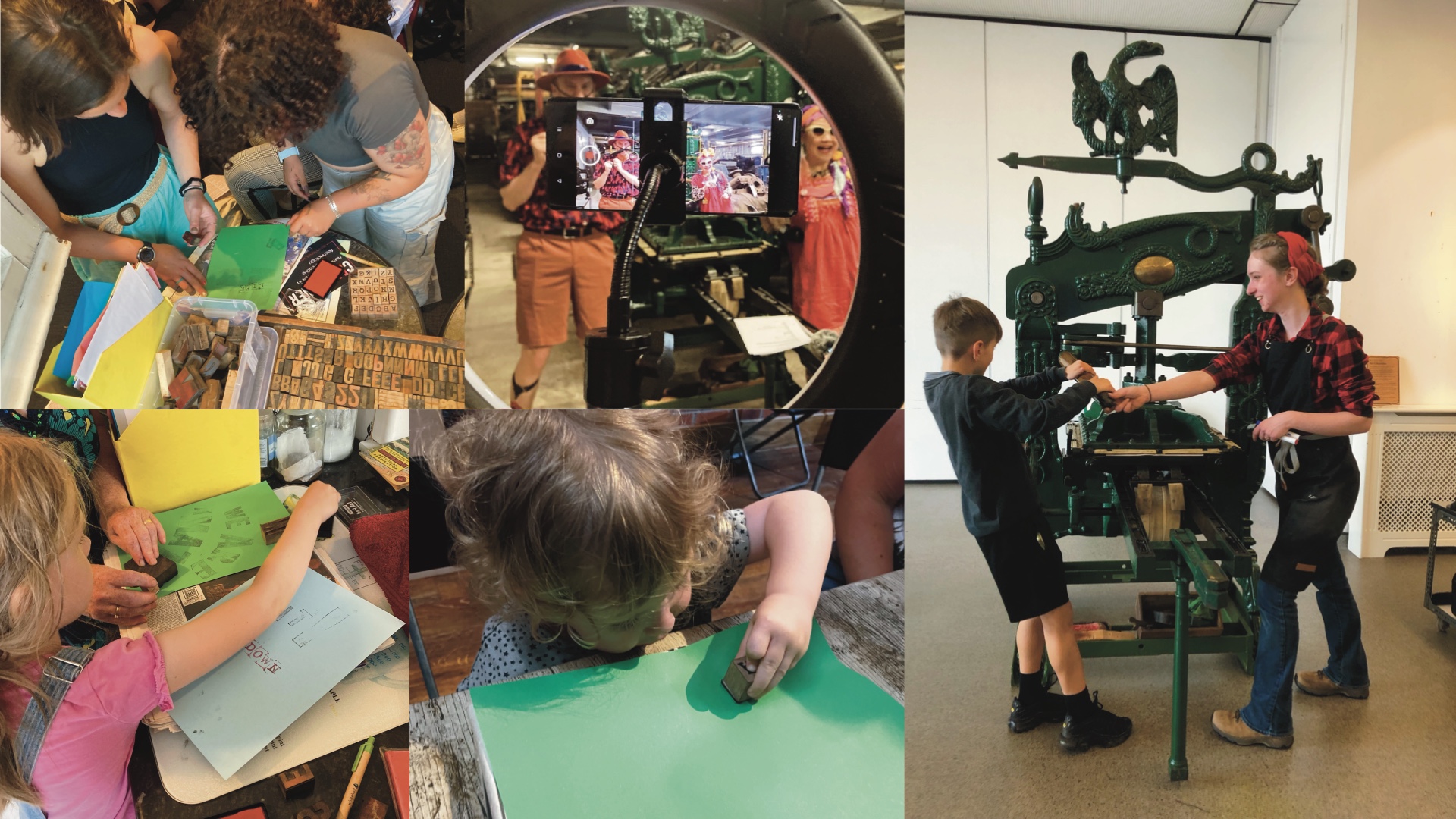
Fair, very fair! But it’s not just my studio. Although, it is a safe space for me to continue my research into alternate materials for industrial print – a place for me to create practical alternatives to encourage circular economies, and accessible alternative materials for schools and charities in this difficult geopolitical and financial climate – it’s also the current (somewhat hidden) home of the Bristol Print Museum.
I use this space to restore printing presses and equipment for local museums and arts groups (such as Mshed and the Müller Museum, among others) and it gives me the space to be able to restore these items and work on them safely.

This space is integral to my work as the Bristol Print Museum having been a hub for me to work from on projects that usually require long and anti-social hours. I’ve restored presses here, created commissions, and set type for workshops with the Mshed.
I am currently engaged in a massive restoration project with the Müller Museum restoring their collection of over 300 printing blocks! Th next stage of the project is to print all of them so the museum has a record of each one for their archives, but also so that they can hopefully have an exhibit of some of the images. It’s an amazing project packed full of local history about local families and how they grew up. However, it requires using my proofing press, and access to facilities for long periods of time and for printing large blocks – something that most spaces just aren’t equipped to provide, and I am incredibly lucky to have set up.
I was also recently generously offered a full working print studio with a very interesting historical background as a donation to the print museum. It would need some light restoration – but would be everything I need to have a full working print shop ready for the museum to have free interactive working exhibits from opening day. However, on top of the very large moving costs for the specialist equipment (that I will be covering myself) it’s A LOT of press and requires a lot of space to store. There’s no way I can accept this insane donation without somewhere to house it.
Without a space to store and restore items like this, not only will a lot of them go to the scrappers and be lost forever, it will push the museum back years as I will be unable to collect donations to build the museum’s collection until a fully functional space has been purchased and built.
This means:
– A halt on all restoration projects (so no restorations for other local museums, arts charities, or other local printmakers)
– No interactive exhibits until after the museum is already physically established
– No items or equipment to work with schools and local folk in the interim years
– No free pop-up exhibits and interactive events planned for the next few years while we wait for a permanent building
– A halt of all donations and collecting of items for the museum’s archive

Space is a massive factor in this. Anyone who has been to my studio knows that these presses are not small. They require cranes and lifts to move around, and to be placed on reinforced flooring – and my studio has 3m tall ceilings which allows the use of these specialist lifts and equipment, solid rock floors as it’s carved into the rock face, and most importantly, no steps to access!

Being underground, it maintains a constant hunidity and temperature. This is SO important when handling or printing onto paper. Most museums pay hundreds every year to achieve what my studio does naturally – constant temperature and humidity conditions. Any screen printer will tell you that paper shrinkage is the bain of their life. You’ll print one colour while it’s sunny outside and come back to print the next while it’s raining, and the humidity stretches the paper, and the colours don’t line up! No such problems in my subterranean studio – a restorer and printmaker’s dream!
There’s not a lot of spaces in Bristol now a-days that have the features needed to be able to do this kind of work.
It’s unique.
Just like the work I do in it.

Well, I need to raise a total of £130k to buy the space, but £65 must be raised in the next 5 months or else it will go to market (and be sold to a developer) So the main aim is to raise that first 65k.
You can simply just donate some money (which would be amazing! Thank you!) Even just a fiver would go a long way.
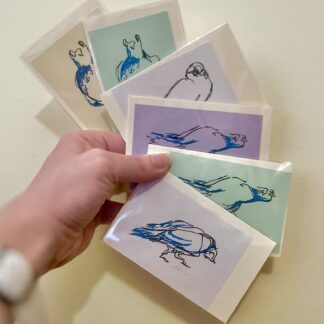
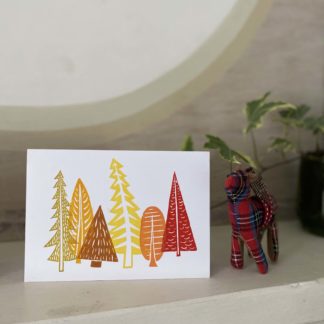
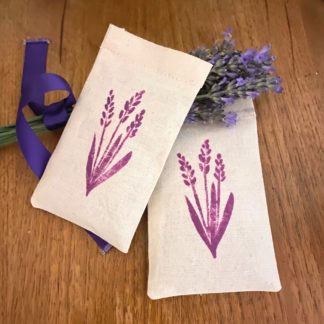
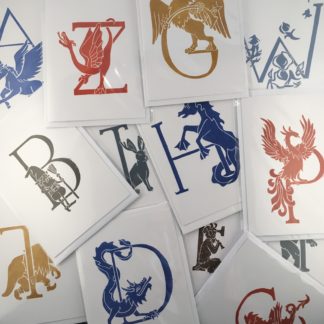
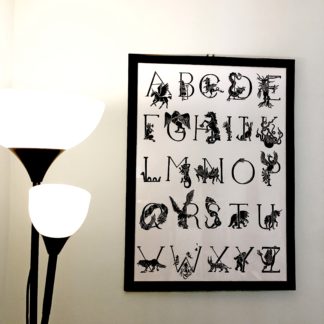
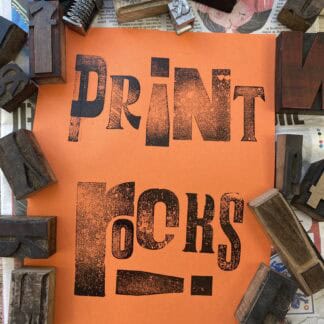
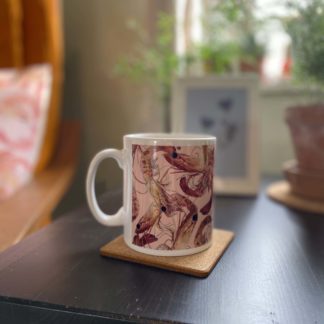
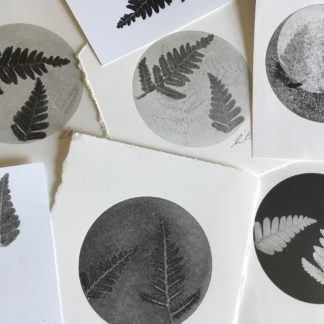
I’ll also be offering exclusive fundraising items all made by myself, which will only be available for the duration this fundraising event. These will range from one off-prints to special-edition hand-printed posters, or unique workshops/experiences – maybe some exclusive Christmas gifts?
These will be available in a wide range of price points to try to allow for all lengths of purse strings.
But I know times are tough, especially with all the uncertainty going on at the moment, so if you’re unable to donate money, please still support this project by sharing with friends, family, co-workers, anyone who will listen!
I know this is a wild Hail Mary and a lot to ask. But I truly believe that – with the love and support of my local community- this unique space can be saved from redevelopment, and my work and the work of the Print Museum can continue.
Thank you all x
Find out more about the Bristol Print Museum:
www.bristolprintmuseum.org
@bristol_print_museum_project
Find out more about my work by exploring this website, or check out my Instagram